.png)
CHAPTER 5 // Striving Toward World Class Sustainability

Updated: Jul 7

Project Lead: Floyd Hall, Journalist & Cultural Producer
The City of Atlanta is leveraging the World Cup to advance sustainability outreach.
The 2026 FIFA World Cup is in full swing, and it’s likely to be remembered by stunning athletic achievements, the highs and lows of competition, and memorable cross-cultural exchanges among players and fans, either in person or online. And while sustainability likely isn’t top of mind for many fans in the midst of rooting for their favorite players or countries, for Chandra Farley, the City of Atlanta’s Chief Sustainability Officer, this global tournament represents an opportunity to highlight key initiatives that help the City manage the impact of hundreds of thousands of visitors engaging in the festivities, plus reach existing residents with critical information.
“Food waste diversion is sort of our Mount Everest of sustainability here in the city and in many others,” according to Farley. “Fortunately for Atlanta, we have one of the most sustainable sports and entertainment venues in the world, with Mercedes-Benz Stadium…beyond their building certifications around LEED, they are also TRUE zero waste platinum certified.”
Mercedes-Benz Stadium (known as “Atlanta Stadium” during World Cup television coverage) was the first professional sports stadium in North America to earn Leadership in Energy and Environmental Design (LEED) Platinum certification for its overall building design and operation. The stadium was built with innovative water, lighting, and transportation features, including generating enough capacity to power nine Atlanta Falcons games or 13 Atlanta United matches with the renewable energy generated through its 4,000 solar PV (photovoltaic) panels. Additionally, it was also the first stadium in professional sports worldwide to be awarded with the Total Resource Use and Efficiency (TRUE) Platinum certification for its zero waste efforts. To reach this status, the venue consistently diverts over 90% of its waste from landfills.
While World Cup matches held at MBS will align with industry-leading sustainability measures simply as part of the game day experiences, the city is planning to capitalize on this moment to emphasize sustainability in a broader sense. Visitors to the FIFA Fan Festival and surrounding areas will notice an increased presence of recycling bins through coordinated efforts with the city’s Department of Public Works. Additionally, the city has been able to use these events as an opportunity to amplify sustainability messaging at the personal level.

“Mercedes-Benz Stadium was able to work with the FIFA volunteer process to get our sustainability ambassadors [involved] in such a way people will be able to see…with the stadium and the Fan Fest, there will be sustainability ambassadors deployed specifically to help visitors and even residents know more about what we are doing around sustainability at the city.”
Farley also hopes to encourage more sustainability-centered intentions around how we all make everyday decisions. After piloting an initiative at the most recent Atlanta Jazz Festival that featured compostable food service supplies, Farley believes the city can take the lead on encouraging individual residents and local event producers to see sustainability as a critical aspect of producing a successful event.
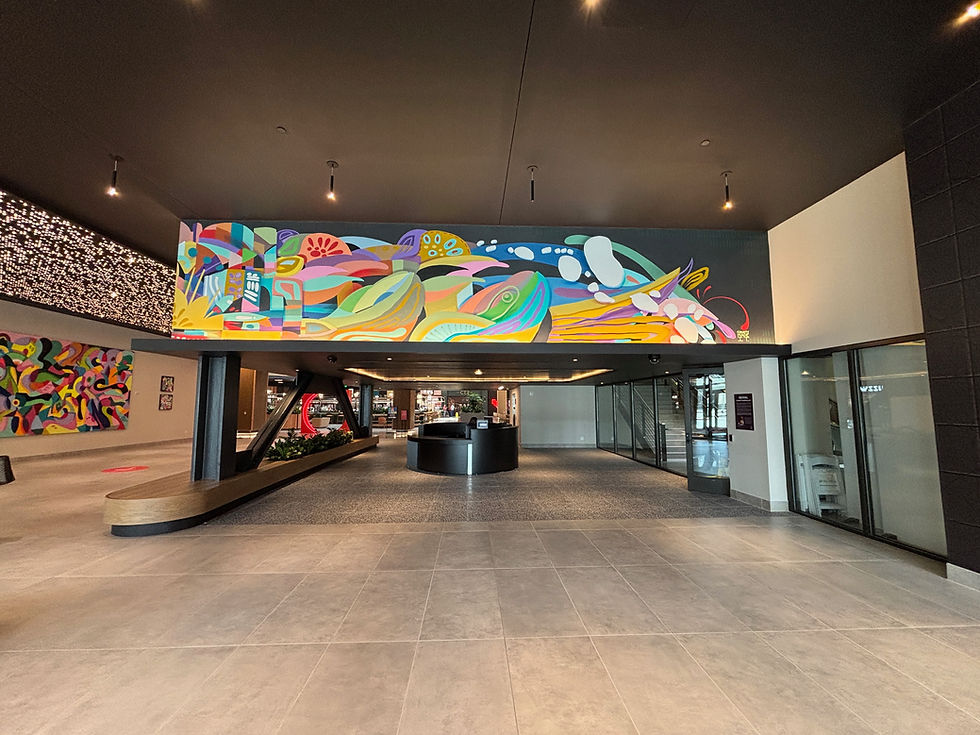
Throughout the World Cup timeline one of the Office of Sustainability and Resilience’s collaborators, Partners in Action for Healthy Living (PAHL), is leading public art activations with MARTA around the city to engage visitors and residents in sustainable messaging. Additionally, PAHL student leaders are running an interactive city-wide scavenger hunt called “Ride. Snap. Score.” that encourages participants to ride MARTA to explore neighborhoods, green spaces, and more, all through a sustainability lens.
“Tonya Hicks is the founder of PAHL and implementing partner for my WeatheRISE ATL program. When we were planning for FIFA, she said her student interns wanted to get involved so I invited them to a FIFA Environmental Committee meeting to learn about what we were doing. The interns showed up with 8 project proposals!! We helped connect them with MARTA and they worked hard to make the rest happen!”

While sports and entertainment events like the Atlanta Jazz Festival and the FIFA World Cup provide opportunities to address sustainability at a large scale, there’s also room for community input in the conversation via Climate Resilient ATL, Atlanta’s first community-led and data-driven Climate Resilience Action Plan. That plan continues the work of Clean Energy Atlanta, an initiative across multiple mayoral administrations which features energy and sustainability targets, information, and resources. To learn more about Climate Resilient ATL and get involved, click here.


Comments